 TPwallet _tpwallet官网下载|IOS版/安卓版/最新app下载-tp官网
TPwallet _tpwallet官网下载|IOS版/安卓版/最新app下载-tp官网
TPwallet _tpwallet官网下载|IOS版/安卓版/最新app下载-tp官网
In an era where speed and efficiency dictate the pulse of economic transactions, the advent of real-time payment systems heralds a revolution that bridges traditional finance with the expansive realm of blockchain technology. Picture a world where transactions happen instantaneously, stripped of cumbersome delays, and propelled by the robust mechanisms of smart contracts. The framework of this new age is underpinned by innovations that not only enhance transaction speed but also bolster security and transparency in financial dealings.
As we journey through the intricacies of real-time payment systems, it’s imperative to acknowledge their inherent ability to facilitate swift transactions on a global scale. According to a report from the International Monetary Fund (IMF), streamlining payment processes is crucial for economic growth, as it fosters better liquidity and access to resources. The marriage of these systems with blockchain technology embodies a significant leap forward in the evolution of how we perceive and execute payments.
Real-time market predictions driven by sophisticated data analysis methodologies further augment the capabilities of these payment systems. By leveraging big data and machine learning, financial institutions can predict market trends with remarkable accuracy. The insights gleaned from continuous data streams empower businesses to make informed decisions, optimizing operational efficiencies while minimizing risk. This data-driven approach not only enhances user experience but also crystallizes the pathway toward an innovative digital ecosystem.
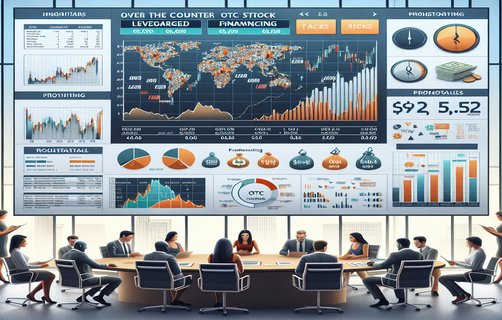

The emergence of decentralized financial services, or DeFi, illustrates this paradigm shift. By harnessing blockchain's unique features, we witness a myriad of payment solutions evolving beyond the constraints of traditional banking. Services such as instant cross-border transactions empower individuals and businesses in emerging markets, breaking down barriers previously deemed insurmountable. The World Economic Forum notes that such innovations promote inclusivity, fostering economic participation across diverse demographics globally.
Despite these advances, the journey is not without its challenges. Regulatory frameworks often lag behind technological innovations, necessitating collaborations between stakeholders to ensure user safety and compliance. Engaging in open dialogues between innovators and regulators is vital to shaping a robust regulatory environment that nurtures creativity without compromising security.
As we look forward to an unprecedented era marked by efficiency and https://www.sxaorj.com ,inclusivity, the synergy between real-time payment services and blockchain technology unlocks boundless possibilities. One cannot help but wonder: How will these innovations reshape our daily lives? Will they render traditional banking obsolete, or will they exist in a symbiotic relationship?
In conclusion, the fusion of real-time payment systems with blockchain technology is not just a trend; it represents a monumental shift towards a more agile, transparent, and inclusive financial landscape. The question looming now is: Are we ready to embrace this new frontier?
**Engage with Us:**
1. Do you believe blockchain technology can completely replace traditional banking systems? Yes or No?
2. What aspect of real-time payment systems intrigues you the most? Speed, Security, or Transparency?
3. Should regulatory bodies accelerate the establishment of frameworks for blockchain technologies? Cast your vote!